We're a Programmatic SEO agency in Brazil
We build programmatic SEO systems that help businesses rank in every market they operate in, from local cities to global regions.
Free Quick-scan · Growth potential · No commitment · Report in 24 hours

Your Programmatic SEO team, built for Brazil businesses
We're PSEO Agency, a team of SEO strategists and engineers who build systems, not one-off pages. For businesses in Brazil, that means covering every relevant service, neighborhood, and search query with pages that are built once and scaled automatically.
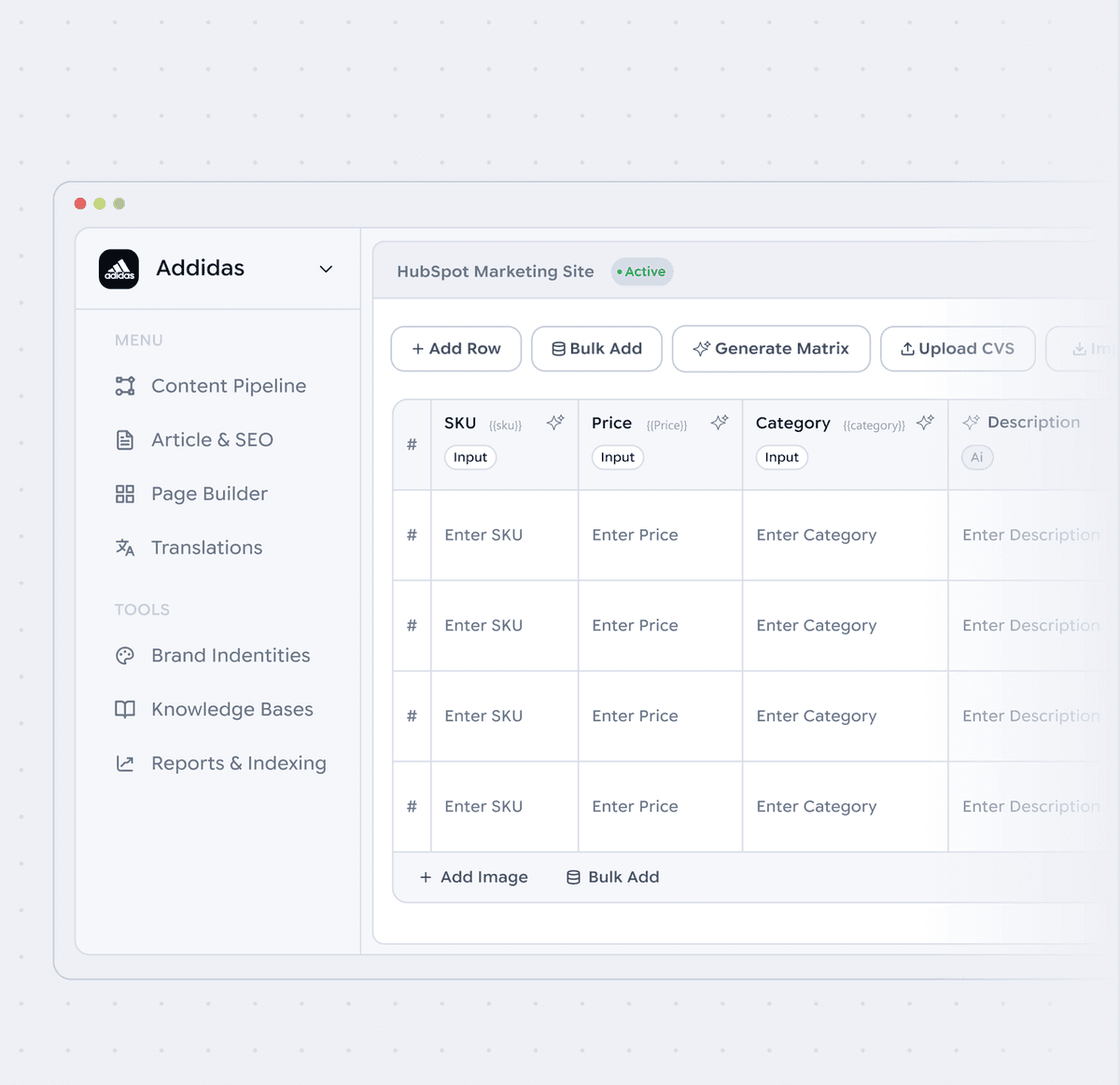
Instead of writing a landing page at a time, we design the template, connect it to real search demand data, and roll it out with a realistic indexation plan, so Google sees natural growth, not a spike overnight.
Built to scale with Brazil's search demand
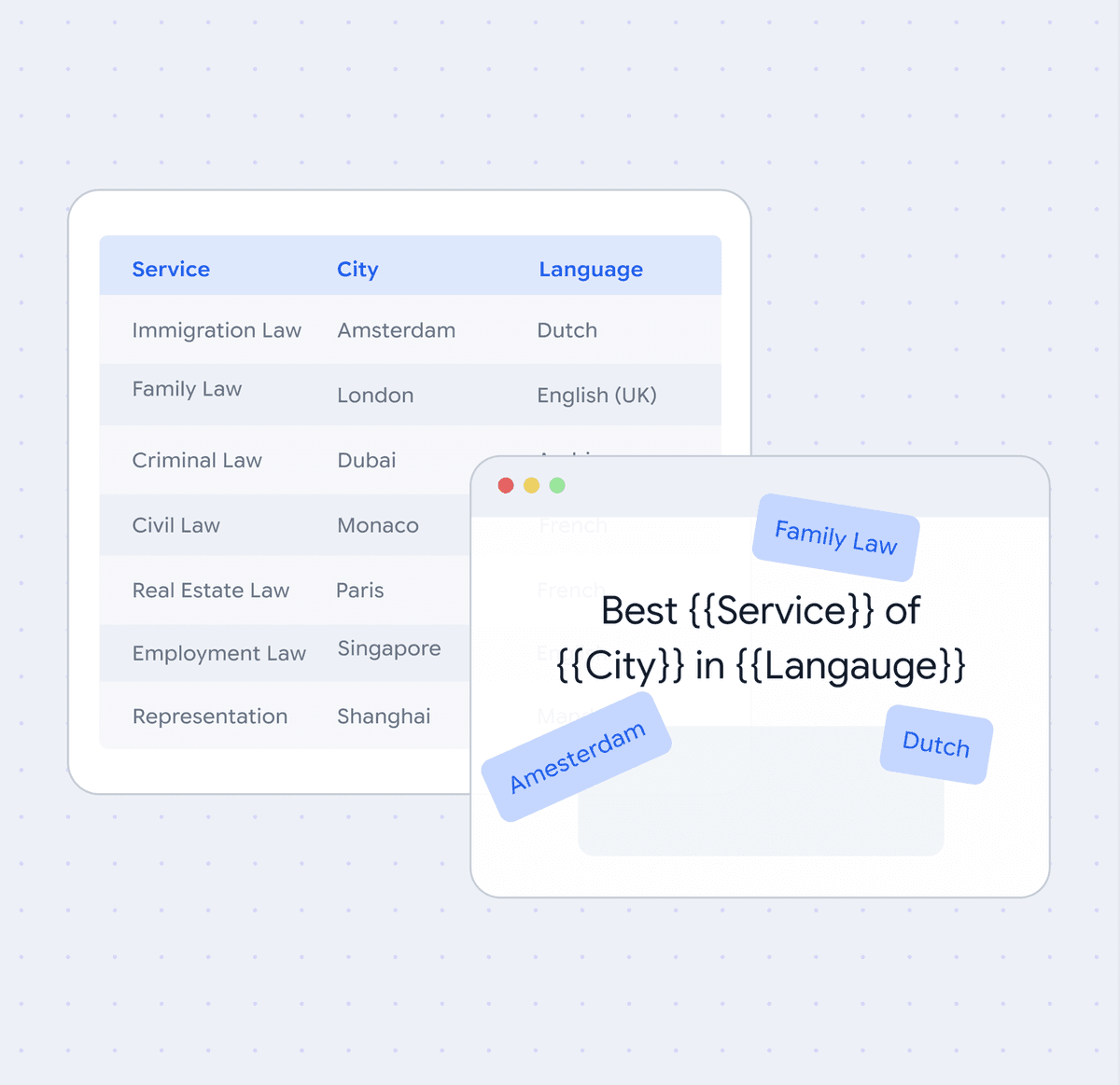
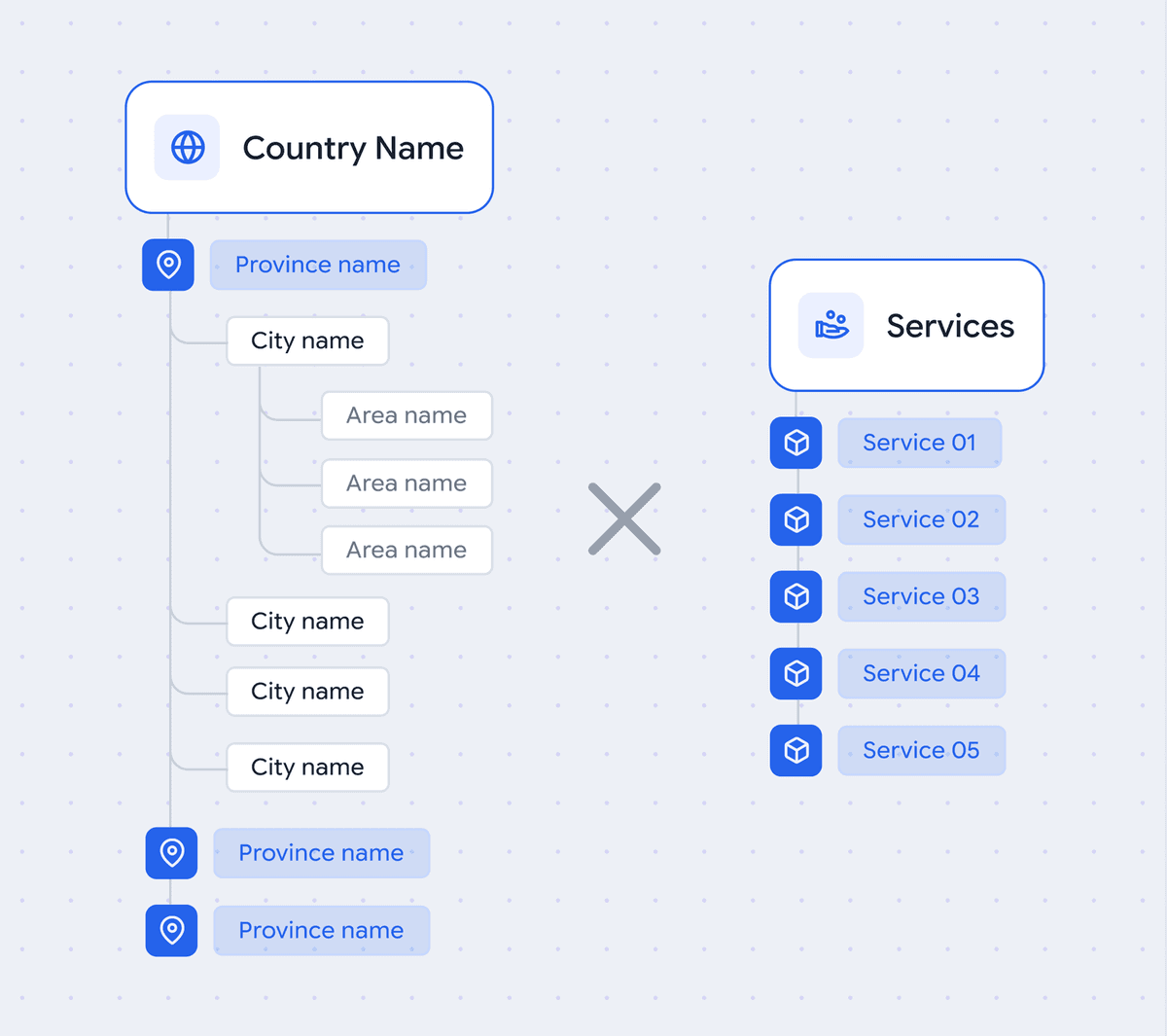
Every service, product, and location combination that Brazil customers actually search for, mapped and covered with pages that are built once and scaled automatically.
From research to rollout, crafted for Brazil
We design the template, connect it to real search demand data, and roll it out with a realistic indexation plan, so Google sees natural growth.
Trusted by forward-thinking brands:


What a Programmatic SEO specialist in Brazil actually does.
We focus on three things that move rankings: the research behind every page, the system that builds them, and the structure that connects them.
Keyword & Demand Research
We map every service, product, and location combination Brazil customers actually search for, no guesswork, only real demand data.
Template & Page Logic
One flexible template, built once, that adapts its content, structure, and metadata to every variation your business needs to rank for.
Internal Linking & Indexation
We design the link structure and rollout pace so Google can crawl, understand, and trust your new pages, steady growth, not a spike.
Ready to rank in Brazil?
Build and launch brand-consistent AI content pipeline live in days, winning every search & AI answer.
Learn more about our features
- Get Started
- Setting Up Your Project
- Setup Brand Identity
- How to Create Articles
- Batch Create Articles
- Set up news sources
- Indexing
- Reporting & Analysis
- For Agencies
- +40 More Features
Find us around the world
Frequently Asked Questions
Everything you need to know about growing and scaling your business with programmatic SEO in Brazil.
Want to know what this looks like for your business? Get Free Growth Scan